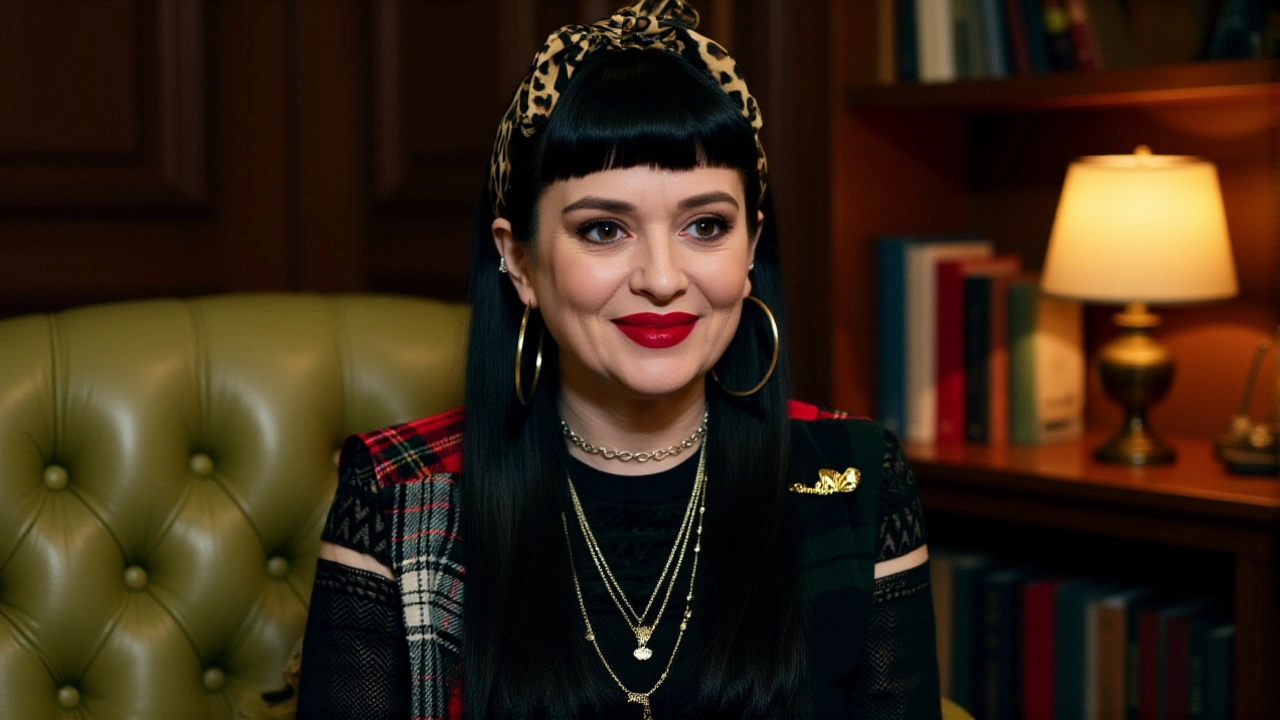
When Ruth Codd was eliminated from Celebrity Traitorsa castle near Inverness, Scotland in early October, viewers assumed it was just smart gameplay. Turns out, it was something far more systemic. On October 21, 2025, the British actress revealed in interviews with The Sunday Times and The Times that an unspoken, industry-driven hierarchy among contestants — favoring established stars over newcomers — directly led to her removal. She wasn’t just outplayed. She was sidelined. And she wasn’t alone in feeling it.
The Game Behind the Game
Codd, who rose to visibility through her 2022 role in Netflix’s The Midnight Club, was one of twenty celebrities paid exactly £40,000 to participate in the BBC’s first-ever celebrity version of The Traitors. The show, produced by Warner Bros. Television and filmed under strict isolation protocols, locked contestants into a hotel near Inverness for nearly two weeks. No personal phones. No TV. No outside news. Just two drinks per night, and production chaperones for every bathroom run. "You’re quite isolated," Codd told The Times. "You don’t have a phone, you don’t have a TV, you’ve no idea what’s going on in the outside world, so it’s all you’re thinking about."
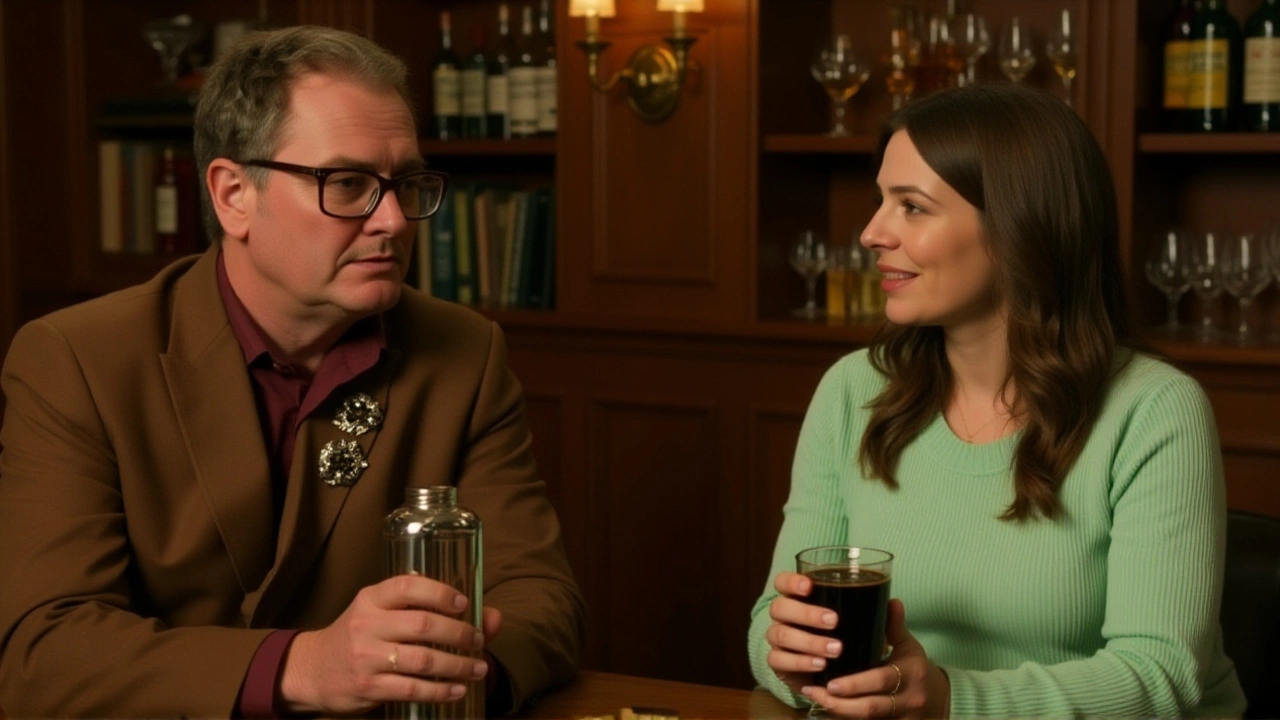
But the psychological pressure wasn’t just from confinement. It came from who sat beside you at dinner. Codd correctly identified Jonathan Ross, the 64-year-old broadcaster with a career stretching back to 1987, as a Traitor after their first car ride with fellow contestants Niko Omilana and Clare Balding. Ross, sensing the threat, chose to eliminate her — not because she was the weakest link, but because she was the most dangerous one. "I was murdered definitely because I was a threat to the Traitors," Codd said. "I was one of the few people in the group that had my own mind."
The Invisible Power Structure
What Codd uncovered wasn’t just about strategy — it was about status. In the quiet moments between challenges, she noticed how established names like Ross received deference. Conversations flowed more easily around him. Alliances formed faster in his direction. Even when he lied, people hesitated to call him out. "There was probably an unspoken hierarchy in there," she told The Sunday Times. "That placed certain people like myself at a disadvantage, because I haven’t been in the industry very long."
This wasn’t just about age or fame. It was about perceived authority. Ross, who’s hosted prime-time shows for nearly four decades, carried a weight Codd, a relative newcomer, simply didn’t. And that weight tipped the scales. "Sometimes being a strong woman can be lonely," Codd added. "Because you’re branded as aggressive and difficult. I don’t think I’m any of those things. I just speak my mind."
How the System Works — And Why It Matters
Reality TV has long thrived on manufactured drama. But Codd’s allegations suggest the drama isn’t always scripted. It’s systemic. The rules of Celebrity Traitors — the isolation, the pay parity, the alcohol limits — were designed to level the playing field. Yet human dynamics, shaped by decades of industry hierarchy, slipped right through the cracks.
It’s not the first time this has happened. In 2021, Chloe Veitch of Too Hot to Handle spoke about being pressured to conform to "the pretty girl" mold. In 2023, Clare Balding herself noted on a podcast that "celebrity reality shows often amplify the loudest voices, not the most honest ones." Codd’s experience mirrors those patterns — but with a sharper edge. She didn’t just feel ignored. She was strategically targeted because she refused to be.
Production companies like Warner Bros. Television and broadcasters like the BBC benefit from the illusion of fairness. But when contestants like Codd — who brought grit, clarity, and zero pretense — are eliminated not for being bad at the game, but for being too good at seeing through it, the show loses its moral credibility. The Tab and LADbible, both UK-based digital outlets, amplified her claims within hours. Social media exploded. #TraitorsHierarchy trended across Twitter and Instagram. Fans called it "the real betrayal."
What Happens Now?
The BBC has remained silent. No statement. No investigation announced. No promise to review production practices. That silence speaks volumes. Meanwhile, filming on the rest of the season continues. Ross remains in the game. Omilana and Balding are still playing. And Codd? She’s watching from home, wondering if her truth will ever be acknowledged.
Her revelation isn’t just about one show. It’s about the unspoken rules that govern who gets heard — and who gets erased — in entertainment. If a £40,000 paycheck can’t buy you equal footing, what does?
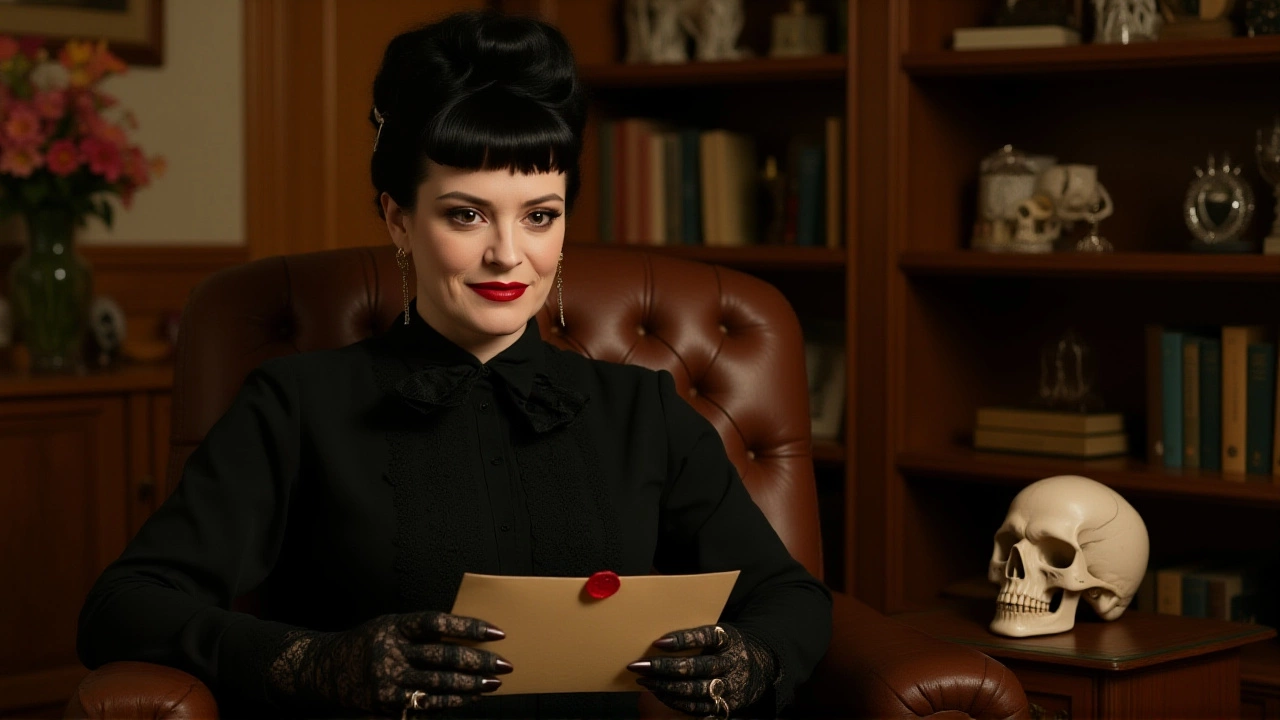
Behind the Scenes: The Rules They Didn’t Tell You
Contestants on Celebrity Traitors were bound by a strict set of conditions:
- £40,000 flat fee per participant, regardless of fame or tenure
- Two alcoholic drinks maximum per person per night
- No personal phones — only production-supplied devices for limited contact with family
- Production chaperones required for all movement outside hotel rooms
- Complete isolation from external news, social media, and entertainment
- Strict curfews enforced by production staff
These rules were designed to create tension — and they did. But they didn’t neutralize power. They just hid it better.
Frequently Asked Questions
How did Ruth Codd know Jonathan Ross was a Traitor?
Codd observed Ross’s behavior during the first car ride with Niko Omilana and Clare Balding. He claimed he was forming a coalition with all three, but his tone, body language, and inconsistent storytelling raised red flags. She later confirmed her suspicions through subtle cues — like how he avoided eye contact when challenged and shifted blame onto others. His decision to eliminate her immediately after she named him confirmed her theory: he saw her as a threat, not a teammate.
Why hasn’t the BBC responded to Codd’s claims?
As of October 21, 2025, the BBC has issued no public statement. This silence follows a pattern seen in other reality shows, where networks avoid engaging with contestant allegations to prevent setting precedents or inviting scrutiny over production ethics. The lack of response fuels public skepticism and suggests the hierarchy Codd described may be an accepted, if unspoken, part of the format.
Are other contestants affected by this hierarchy?
Codd didn’t name others, but social media users have pointed to past seasons of reality shows where lesser-known contestants were eliminated early despite strong gameplay. In Big Brother UK and Love Island, similar patterns emerged: established stars received more screen time, more leeway, and more trust from viewers — and often from fellow contestants. The dynamics aren’t unique to Celebrity Traitors; they’re systemic in celebrity reality TV.
What impact could Codd’s revelations have on future seasons?
If public pressure grows, producers may be forced to implement transparency measures — like debriefs with contestants about power dynamics, or even diversity audits of casting. Right now, the show benefits from the illusion of fairness. But Codd’s story has exposed a crack in that illusion. Viewers are asking: if the game isn’t fair, why are we watching? That question could reshape how future celebrity reality shows are structured.
Is this hierarchy unique to the UK, or does it exist in other countries’ versions?
The original Dutch version of The Traitors and its US adaptation on Peacock have also featured celebrity seasons with similar power imbalances. In the US version, a veteran actor was accused of manipulating alliances by leveraging his Emmy-winning status. Reality TV globally tends to reward familiarity over fairness — making Codd’s experience part of a much larger, international pattern.
Could Ruth Codd take legal action over her elimination?
Legally, it’s unlikely. Contestants sign extensive contracts waiving rights to challenge production decisions, and "unspoken hierarchies" aren’t actionable under current UK entertainment law. However, if Codd releases internal communications or recordings proving deliberate targeting based on status, that could shift the legal landscape. For now, her weapon is public truth — and it’s already having an impact.
Caleb Nathanson
Hi, I'm Caleb Nathanson, a passionate blogger with expertise in creating engaging content for forums. With years of experience in the blogging world, I have developed a knack for identifying trending topics and crafting compelling discussions. My goal is to inspire conversations and bring people together through my love for writing. I'm always eager to learn and grow as a writer, and I'm excited to share my knowledge with others.